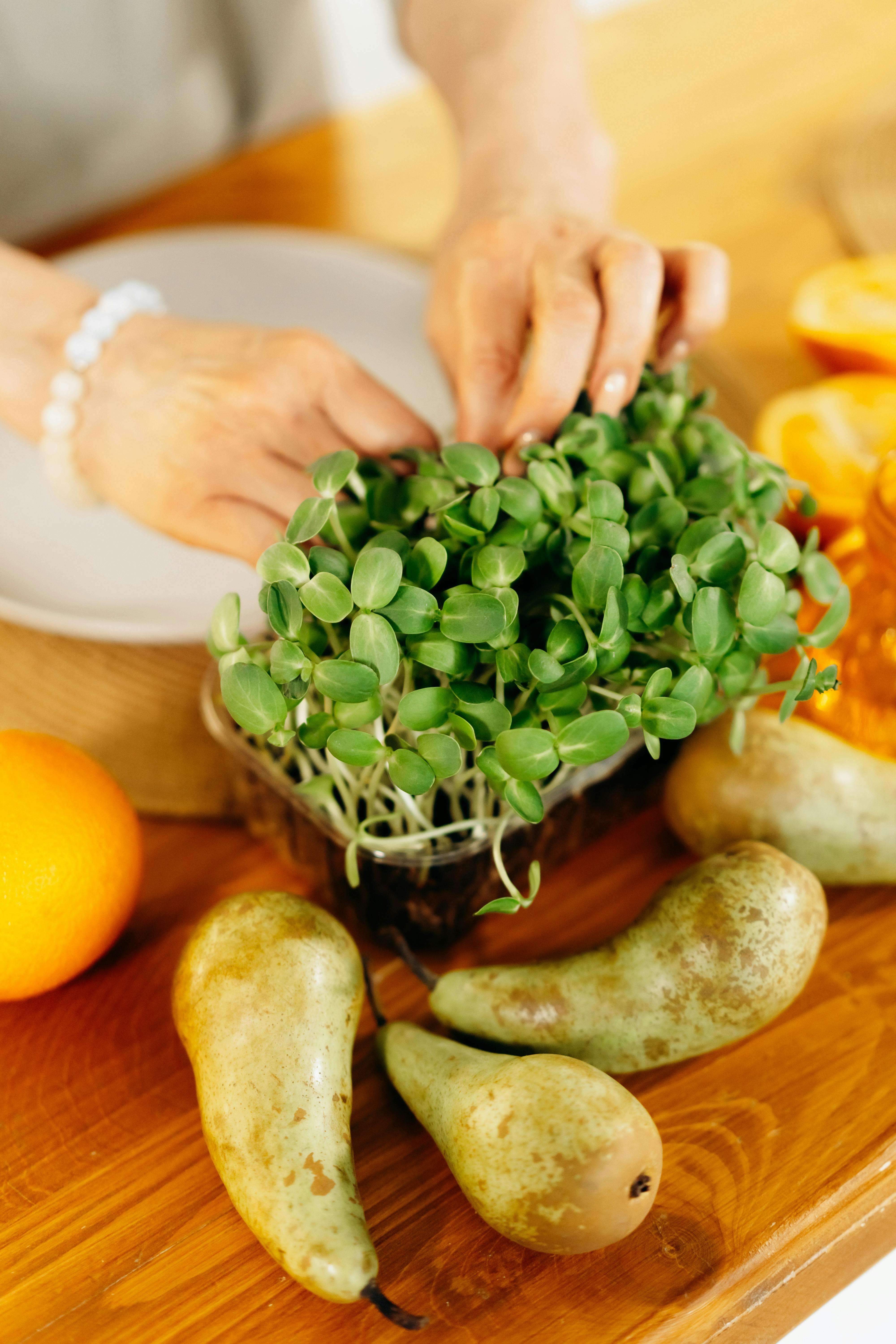

One of the simplest ways to bring together health, flavour, and visual beauty around Easter time of year is through microgreens.
Spring is a season of renewal—longer days, fresh air, and a natural desire to eat lighter, brighter foods. Around Easter, this feeling becomes even more pronounced, as tables fill with colourful dishes that celebrate both the season and the holiday. Microgreens and sprouting does not apply just to new spring season but also to Easter with greenery and freshness. I used to grow just simple grain taken from my maternal grandparents’ farm in the pot and stuck the Easter decorations on the wooden stick into the pot. It was cheerful decoration. Then I came to sprouting all year round, to keep home fresh and my diet more varied. I am not vegetarian or strict fussy eater, but I like healthy home made options.
From a health perspective, microgreens are a perfect fit for the season. After the heavier foods of winter, our bodies often benefit from lighter, nutrient-dense options. You get new asparagus, there is braised leek craze and wild garlic foraging, dandelion roots grinding for the coffee and picking leaves for the salads. Microgreens can be sprinkled over salads, blended into smoothies, layered into sandwiches, or used to top soups and egg dishes. They add freshness without requiring complicated preparation, making them ideal for both everyday meals and special occasions like Easter brunch.
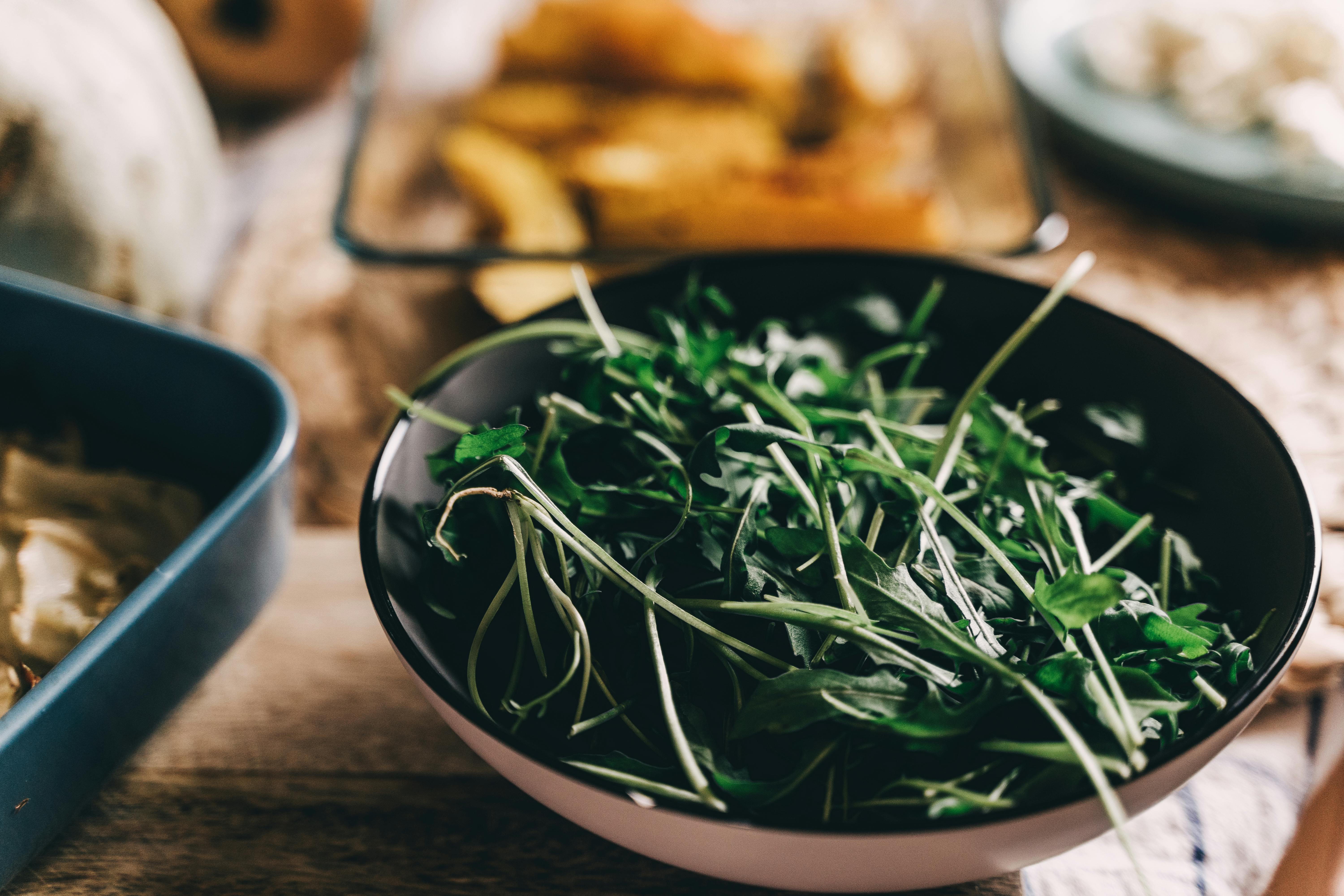
Microgreens are young vegetable greens harvested just after the first leaves develop. Despite their small size, they are packed with nutrients—often containing higher concentrations of vitamins, antioxidants, and minerals than their fully grown counterparts. Varieties like radish, pea shoots, broccoli, and sunflower each bring their own flavor profile, from peppery to sweet, making them a versatile addition to spring meals.
But microgreens are more than just food—they’re also a beautiful, natural decoration. Their vibrant greens and delicate textures instantly brighten a table or your window. Instead of relying solely on traditional Easter décor like flowers or painted eggs, small trays or pots of growing microgreens can double as both center piece and ingredient. Guests can even snip their own garnish, creating an interactive and memorable dining experience.
Another appealing aspect is how easy microgreens are to grow at home. With just a shallow tray, some seeds, water, and a sunny windowsill, you can have a fresh crop ready in one to two weeks—perfect timing for Easter planning.
What you need
To begin, you only need a few basic items:
- A shallow tray or container (even a takeaway box works)
- Seeds (choose varieties like radish, pea shoots, broccoli, or sunflower)
- Growing medium (soil, coconut coir, or even paper towels for beginners)
- Water
- A bright windowsill or light source
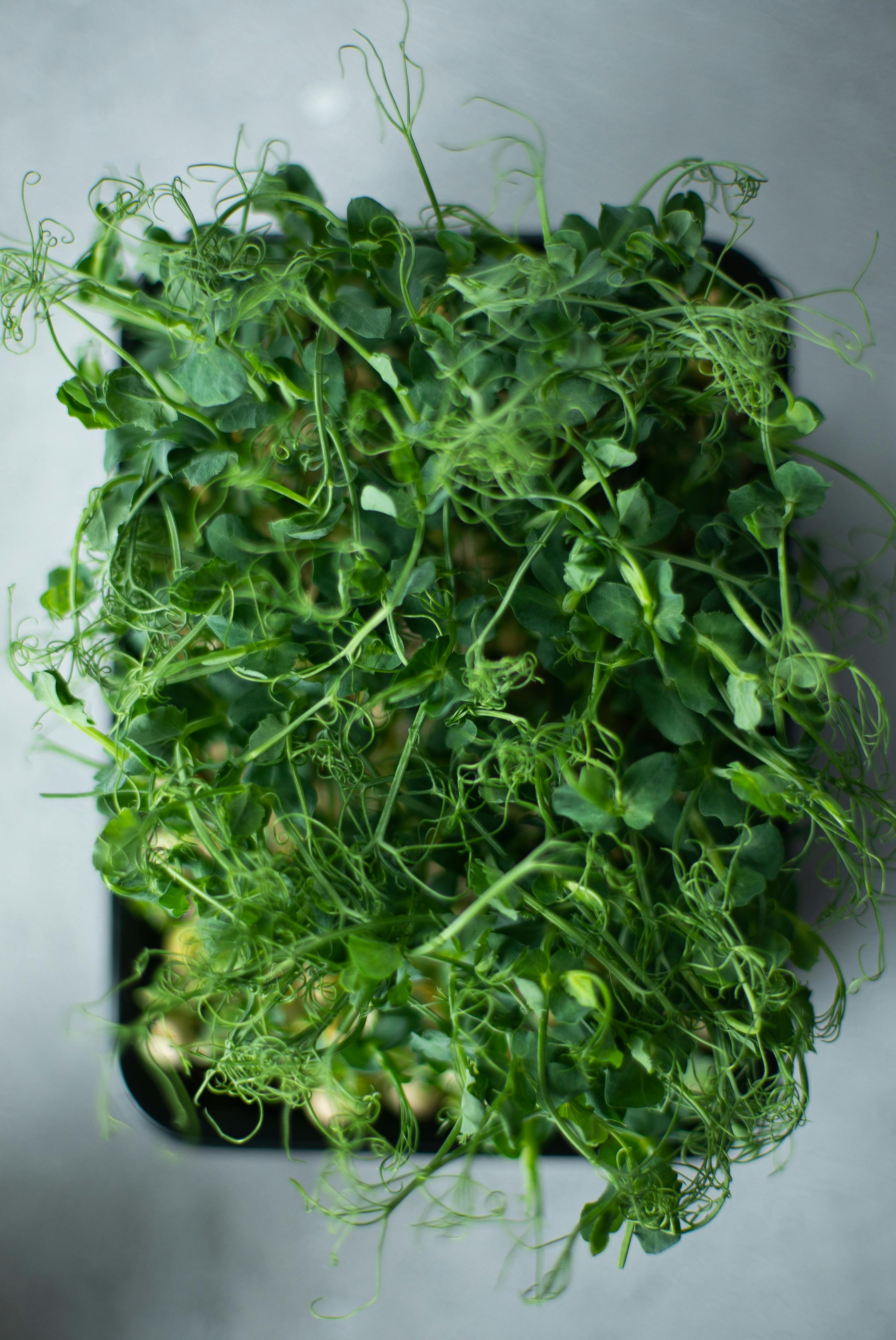
Step-by-step guide
1. Fill your tray
Add about 2–4 cm of soil or your chosen growing medium. Gently level it out without compacting it too much.
2. Sow the seeds
Sprinkle the seeds evenly across the surface. Unlike traditional gardening, microgreens are grown quite densely—don’t worry about spacing them far apart.
3. Lightly press and water
Press the seeds gently into the surface and mist or lightly water them. You want the medium moist, not soaked.
4. Cover (optional, but helpful)
For the first few days, you can cover the tray with a lid or another tray to keep it dark and encourage germination. Once the seeds sprout, remove the cover.
5. Give them light
Place your tray on a sunny windowsill. In the UK, a south- or west-facing window works best, especially in early spring.
6. Water regularly
Keep the soil consistently moist by misting or watering from the bottom (placing the tray in a shallow dish of water). Avoid overwatering, as this can cause mould.
7. Harvest in 7–14 days
Once the microgreens are about 5–10 cm tall and have their first set of leaves, simply cut them with scissors just above the soil line.
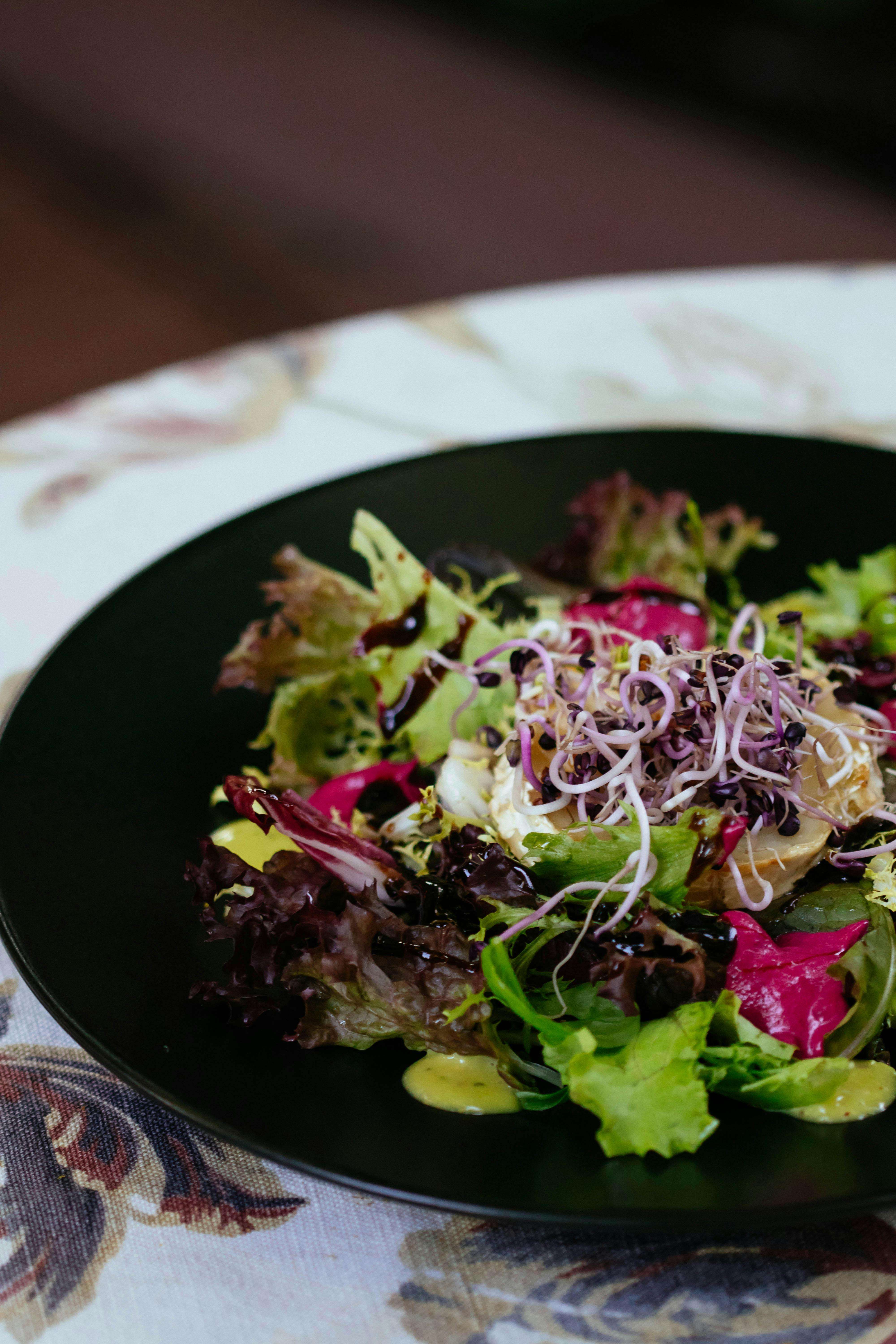
Easy starter varieties
If it’s your first time, try:
- Radish – fast-growing with a peppery kick
- Pea shoots – sweet and crisp
- Broccoli – mild and packed with nutrients
- Sunflower – nutty and satisfying
Start small with one or two trays and place them on your table as living decorations. You can tie ribbons around the containers or arrange them with painted eggs—then snip fresh greens straight onto your plate during the meal. If you like growing microgreens, you can invest into special microgreen jars.
Starting microgreens is quick, affordable, and rewarding. Within days, you’ll see growth—and by Easter, you’ll have something fresh, healthy, and homegrown to share.

 No products in the cart.